Padel in California: A Complete State Guide
California's padel scene is younger than Florida's but growing fast. Here's where to play in San Diego, LA, the Bay Area, and beyond — plus what makes the California scene different.

California is the second-largest padel market in the US, though it lags well behind Florida in court density. What it has — that Florida doesn't — is year-round outdoor play in San Diego and Los Angeles, a tech-money fueled investment surge in the Bay Area, and a culture that's adopting the sport faster than the courts can keep up with.
Here's a region-by-region guide.

San Diego
San Diego punches above its weight in padel. The climate (70°F and dry most of the year) makes outdoor play essentially perfect, and the city has been an early adopter — the first dedicated padel facility in the US west of the Mississippi opened here.
Notable clubs
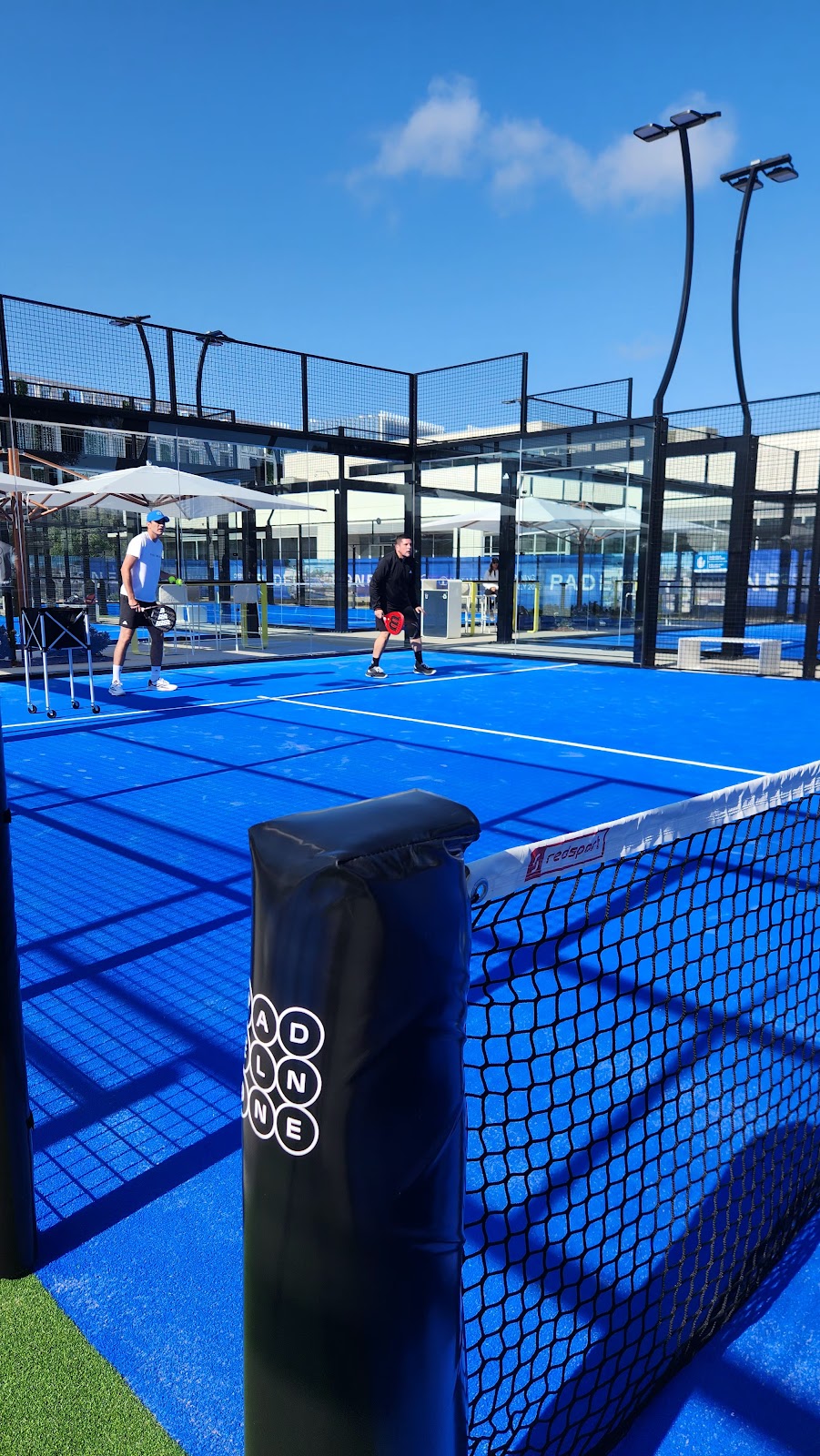
San Diego is also home to one of the most active recreational tournament scenes in California. Most clubs run weekly ladders, monthly tournaments, and clinics for every level from beginner to advanced amateur.
What to expect
Pricing: $40–70 per hour for prime time. Memberships run $100–200/month at the larger clubs. Lessons $80–120 per hour.
Many San Diego clubs draw players from Tijuana — a substantial number of strong amateur players in the region grew up playing in Mexico. The level of competitive play is meaningfully higher than the court count would suggest.
Los Angeles
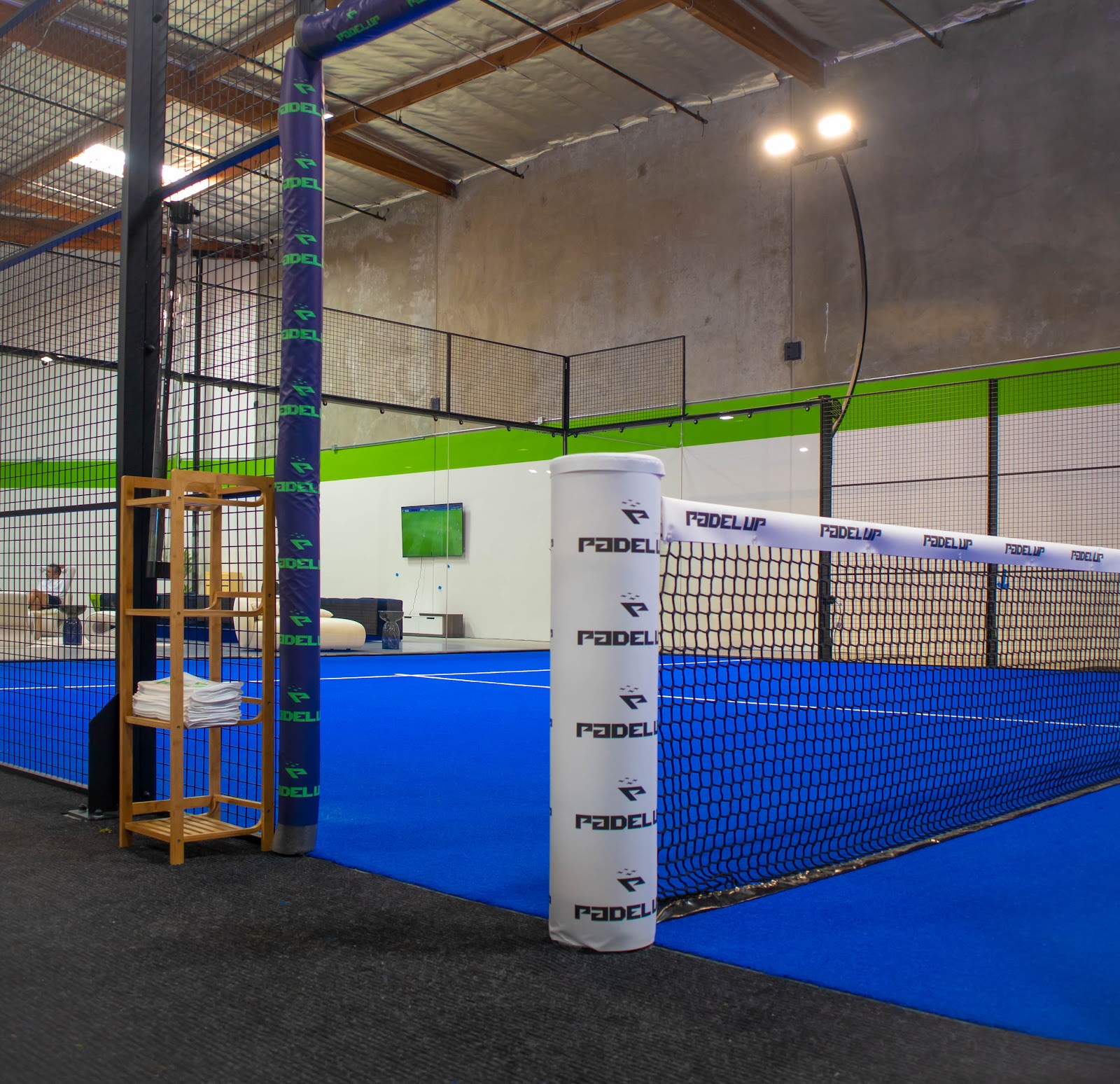
LA's padel scene is fragmented across the metro area. The largest concentration is in West LA, Beverly Hills, and the Westside, with notable facilities also in Pasadena and the South Bay.
Notable clubs
What to expect
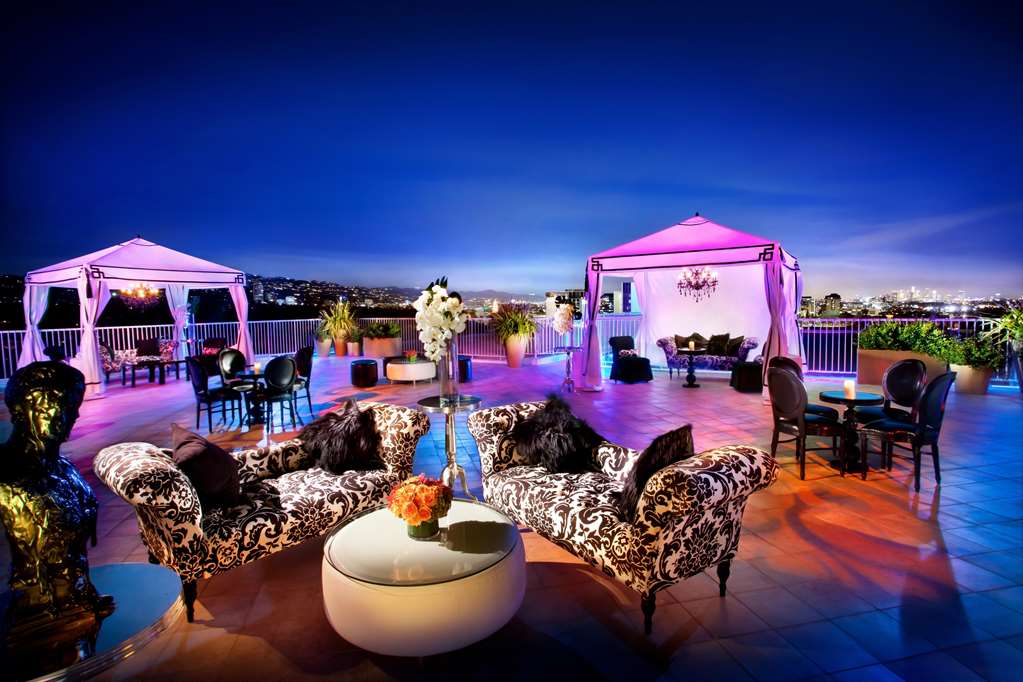
The LA scene is split between celebrity-adjacent clubs (Beverly Hills, West Hollywood) and serious amateur clubs (West LA, Pasadena). The celebrity clubs are excellent facilities with high member fees and limited drop-in availability. The serious amateur clubs are easier to book and have more developed leagues.
Pricing: $50–100 per hour at the premium clubs, $35–65 at the more accessible ones. Lessons range $90–150 per hour, on the higher end of US averages.
The driving distances are real. From Santa Monica to Pasadena is 25 miles and can be 75 minutes in traffic. Plan around your nearest cluster of clubs rather than treating "LA padel" as one market.
The Bay Area
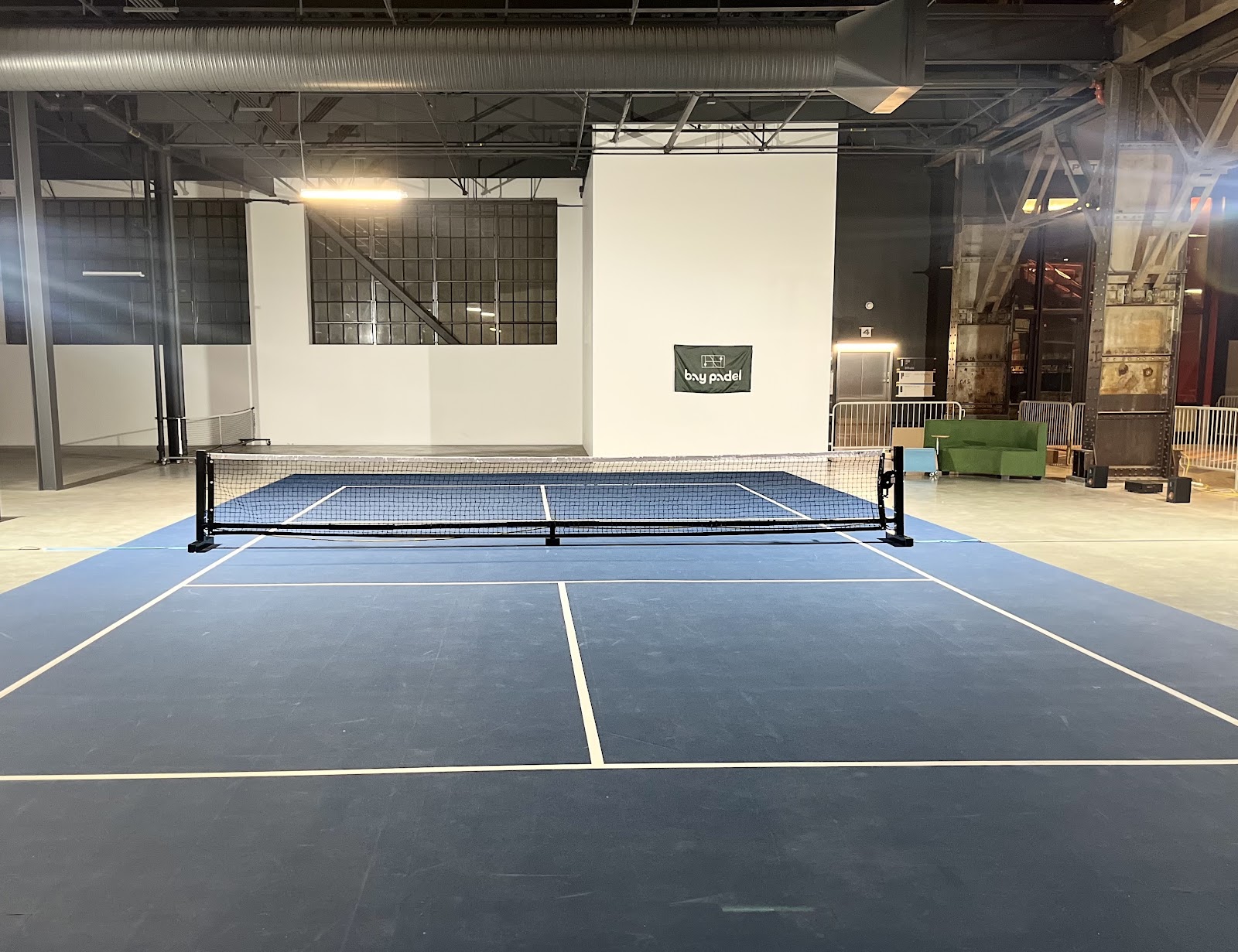
San Francisco and the Peninsula have grown rapidly in the past two years. The growth is funded substantially by tech-industry money — several Bay Area clubs were built by venture-backed parent companies experimenting with the racquet club model.
Notable clubs
What to expect
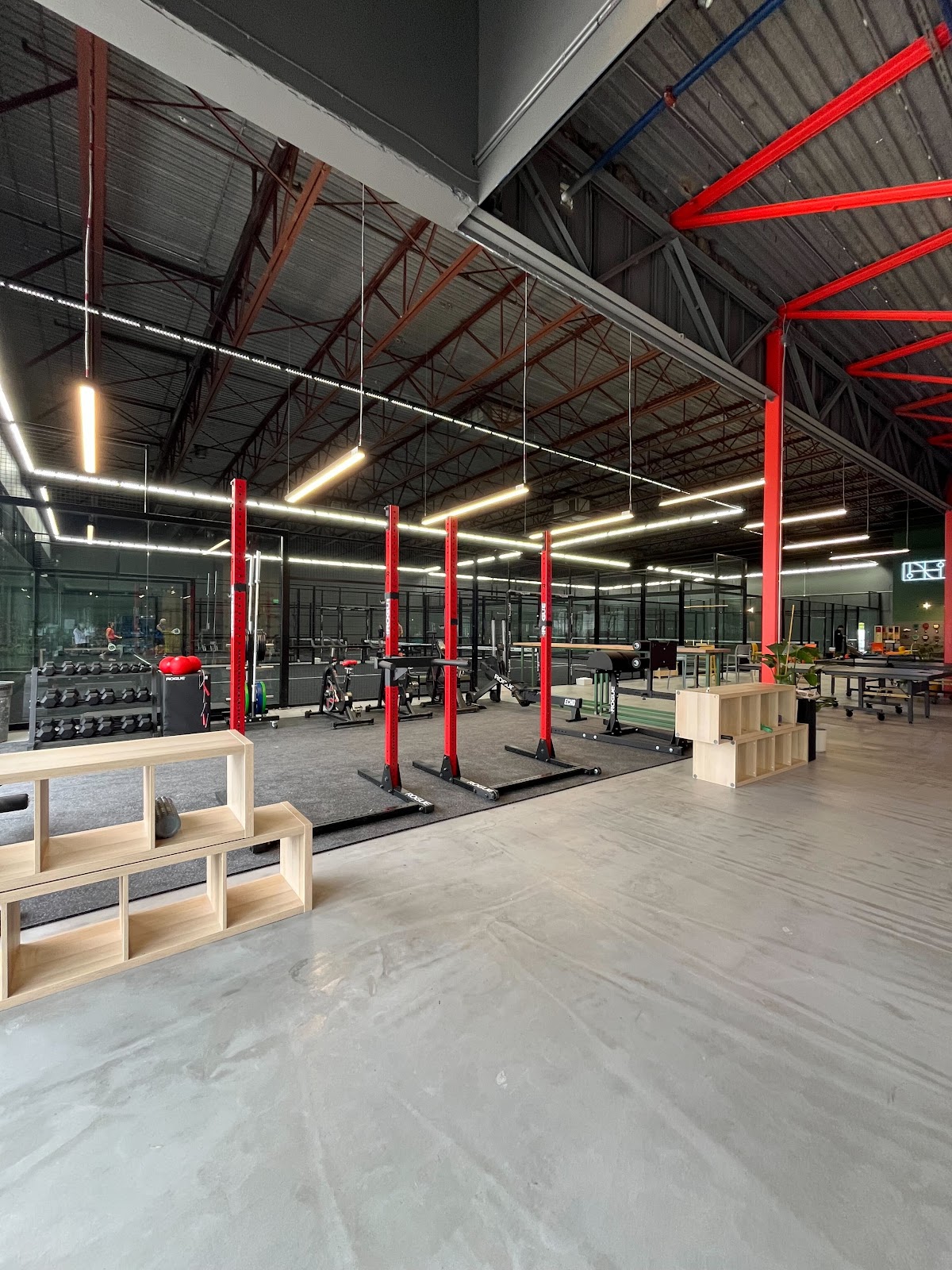
Bay Area clubs lean toward indoor (the weather is mild but inconsistent, and morning fog affects outdoor courts in SF). Most facilities have 4–6 courts; expect to book 3–5 days in advance for prime time.
Pricing: $50–80 per hour, similar to LA premium pricing.
The Bay Area scene is more amateur-tournament-driven than LA's. There's an active leagues schedule, and several clubs run themed events (women's nights, tech-industry mixers, etc.).
Orange County
OC is between LA and San Diego in scene size. Costa Mesa, Newport Beach, and Irvine have the densest court access.
The OC scene has more recreational play than the LA scene per capita — the country club culture translates well to padel. Several OC clubs have added padel as an amenity inside existing tennis/racquet club facilities.
Pricing: $40–80 per hour, with member-discount structures common.
Sacramento and the Central Valley
The interior California scene is small. Sacramento has one notable facility; the rest of the Central Valley has nothing dedicated yet.
If you live in the Central Valley and want to play, expect to drive to either the Bay Area or LA on weekends.
Climate and seasons
- San Diego: 65–75°F year-round, dry. Outdoor is the default.
- LA: 60–80°F most of the year. Outdoor courts are usable except for occasional rainy weeks December–March.
- Bay Area: 50–75°F. Indoor preferred for consistency; outdoor works in summer.
- Sacramento and Central Valley: hot summers (95°F+), mild winters. Indoor for July–August.
The level of play
California amateur padel is solid but not elite. Strong players are concentrated in San Diego (driven by Mexican-American players with deep padel backgrounds) and a handful of LA and SF clubs. Most metro areas have at least one 5.0+ player; few have a deep bench at that level.
The trajectory is steep upward. Court growth from 2024 to 2026 was approximately 3x in California, and player development tracks closely with court availability. By 2027 or 2028, California will likely rival Florida in serious amateur scene size, even if Miami remains the singular center of US padel culture.
What's different about California padel
Versus Florida:
- More outdoor play, year-round
- Smaller scenes per metro (LA has fewer courts than Miami despite being larger)
- More tech industry investment, fewer family-business operators
- Higher prices on average (real estate costs are real)
- Lower average level of play (newer to the sport)
If you're moving from Florida to California, expect to play more outdoors, pay slightly more, and be near the top of your local league within a year if you were mid-pack in Florida.
Tournaments and leagues
The California amateur tournament scene runs primarily through the Pro Padel League (PPL) and the regional amateur federations. San Diego, LA, and the Bay Area each host 1–2 sanctioned amateur tournaments per quarter.
The PPL has held several events in California since launching, primarily in LA and SD. Pro events with international top-50 players visit California 2–3 times per year.
What's coming
Court growth in California is accelerating in:
- The South Bay (LA) — multiple new facilities planned
- Marin County and the East Bay
- North County San Diego (Carlsbad, Encinitas, Oceanside)
- Silicon Valley extending into San Jose
If you're in any of these regions, your access will improve significantly through 2026 and 2027.
Frequently asked questions
Where is the best padel in California?
San Diego has the most active scene per capita, with strong outdoor courts and a competitive amateur level. Los Angeles has the most courts overall but they're spread across a large area. The Bay Area is the fastest-growing market.
How much does padel cost in California?
San Diego: $40–70/hour. LA: $35–100/hour depending on the club tier. Bay Area: $50–80/hour. OC: $40–80/hour. Memberships at serious clubs run $100–250/month.
Can I play padel outdoors in California year-round?
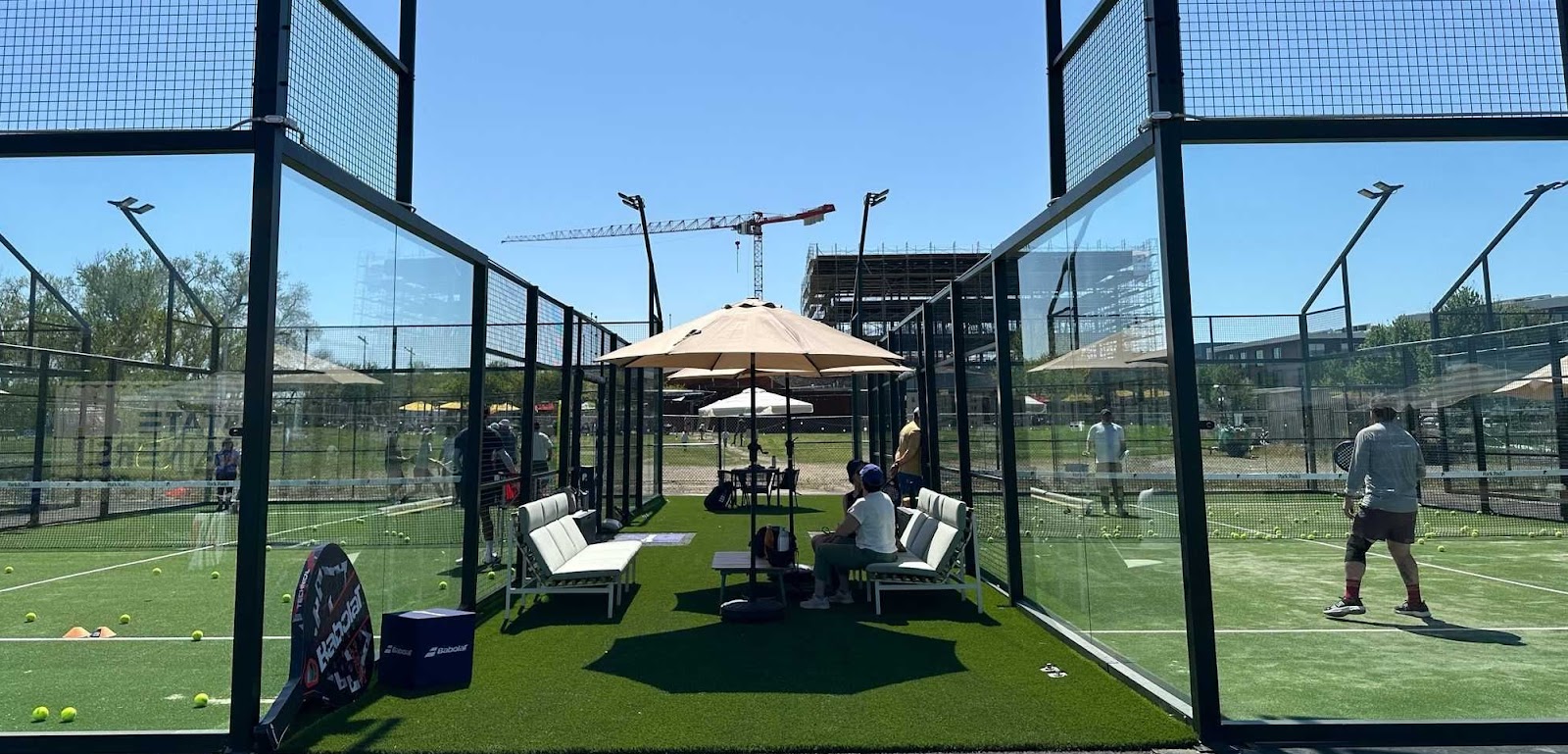
San Diego: yes, essentially always. LA: most of the year, with occasional rain breaks December–March. Bay Area: spring through fall reliably; winter is mixed. Sacramento and the Central Valley: spring and fall ideal, summer too hot, winter mild but variable.
Related reading
Padel in Florida: A Complete State Guide
Florida is the densest padel market in America. Here's where to play in Miami, Orlando, Tampa, and the rest of the state — plus what to expect at each scene.
Padel in Texas: A Complete State Guide
Texas padel is the fastest-growing scene in the US outside Florida. Here's where to play in Dallas, Houston, and Austin — plus the local scene quirks.