Padel in Texas: A Complete State Guide
Texas padel is the fastest-growing scene in the US outside Florida. Here's where to play in Dallas, Houston, and Austin — plus the local scene quirks.

Texas is the third-largest US padel market and the fastest growing outside Florida. Dallas, Houston, and Austin each have multiple dedicated facilities; San Antonio and Fort Worth are catching up. The combination of a wealthy demographic, a strong tennis culture to recruit from, and a year-round playable climate (with caveats) has made Texas an obvious next-wave market.
Here's the regional breakdown.

Dallas–Fort Worth
DFW is the largest Texas padel scene. Dallas itself has the densest concentration of clubs; Frisco and Plano have the newest facilities; Fort Worth lags but is catching up.
Notable clubs
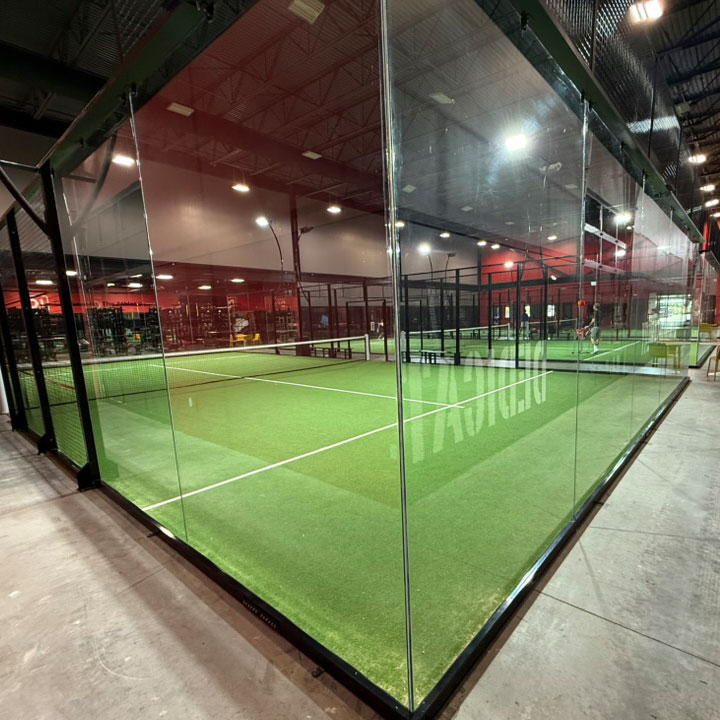
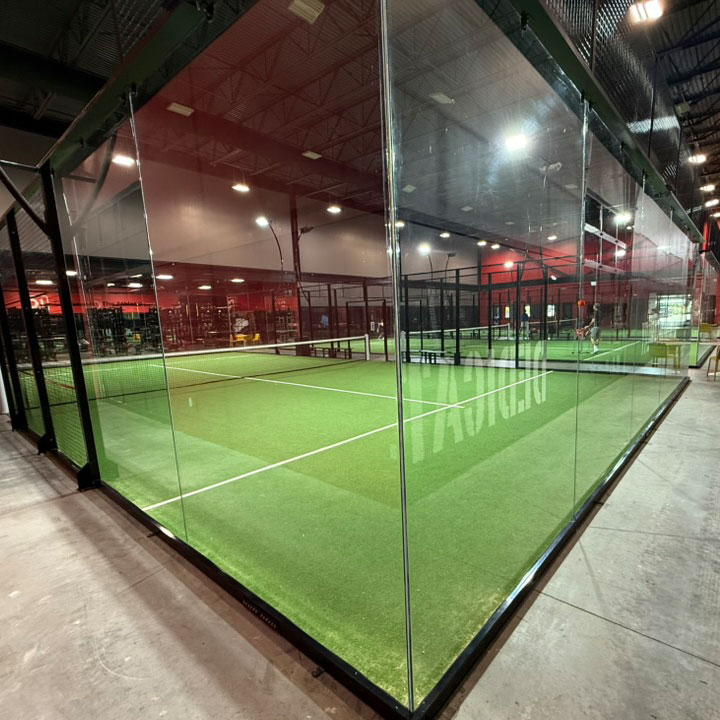
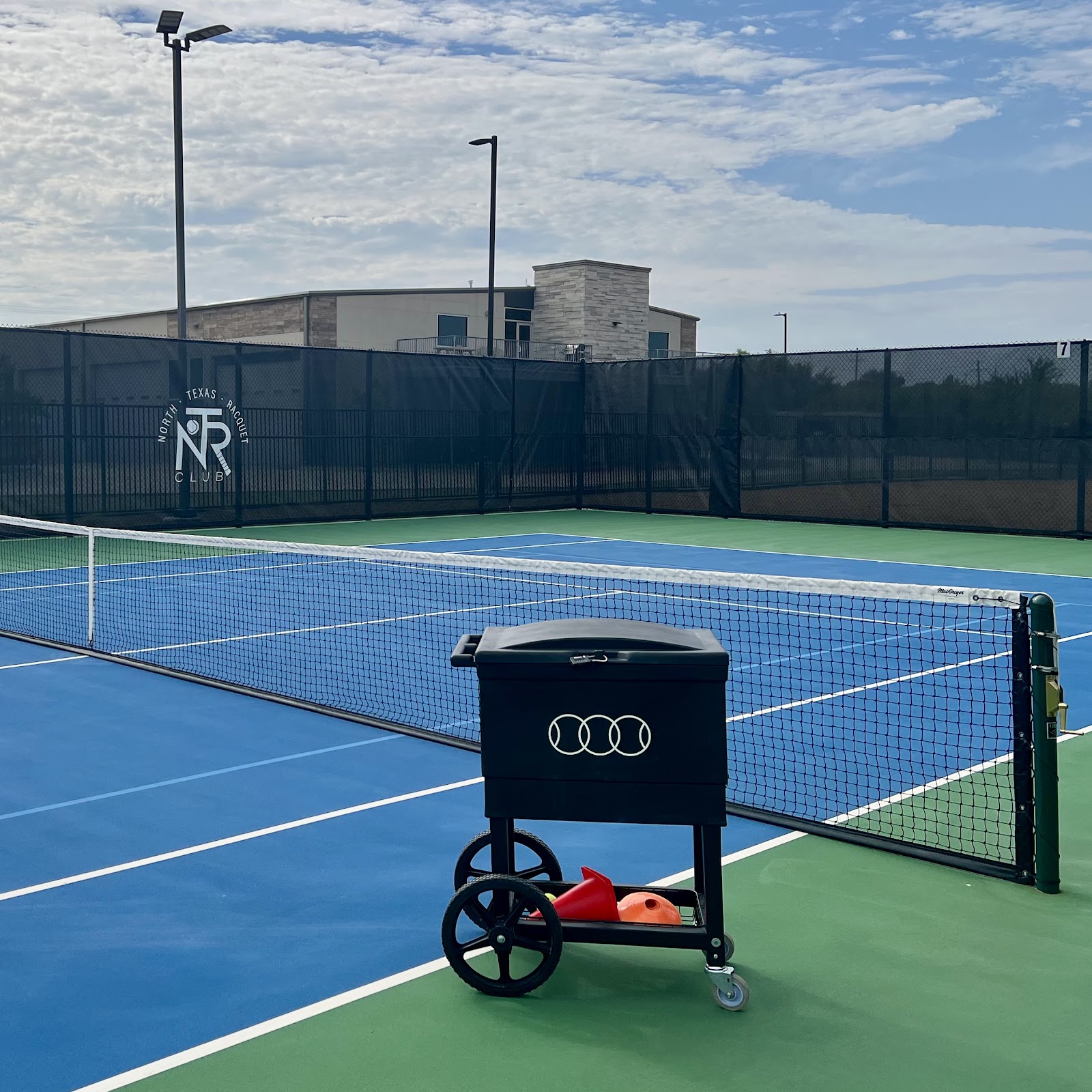
What to expect
The Dallas scene leans toward serious amateur play. Most clubs run weekly leagues (3.5 through 5.5 levels are most common) and monthly tournaments. The Dallas amateur level is comparable to Orlando — a step below Miami but a step above almost everywhere else outside the Sunbelt.
Pricing: $40–75 per hour for prime time. Memberships at the larger clubs run $130–225/month with peak hour limitations.
Dallas summers are hot (95°F+ for much of June through September). Most serious players use indoor courts in summer and split between indoor and outdoor in spring/fall.
Houston
Houston's scene is split between Inner Loop neighborhoods (Heights, Montrose) and the Energy Corridor / Memorial area on the west side. The drive between can be 45+ minutes in traffic, so most players commit to one cluster.
Notable clubs
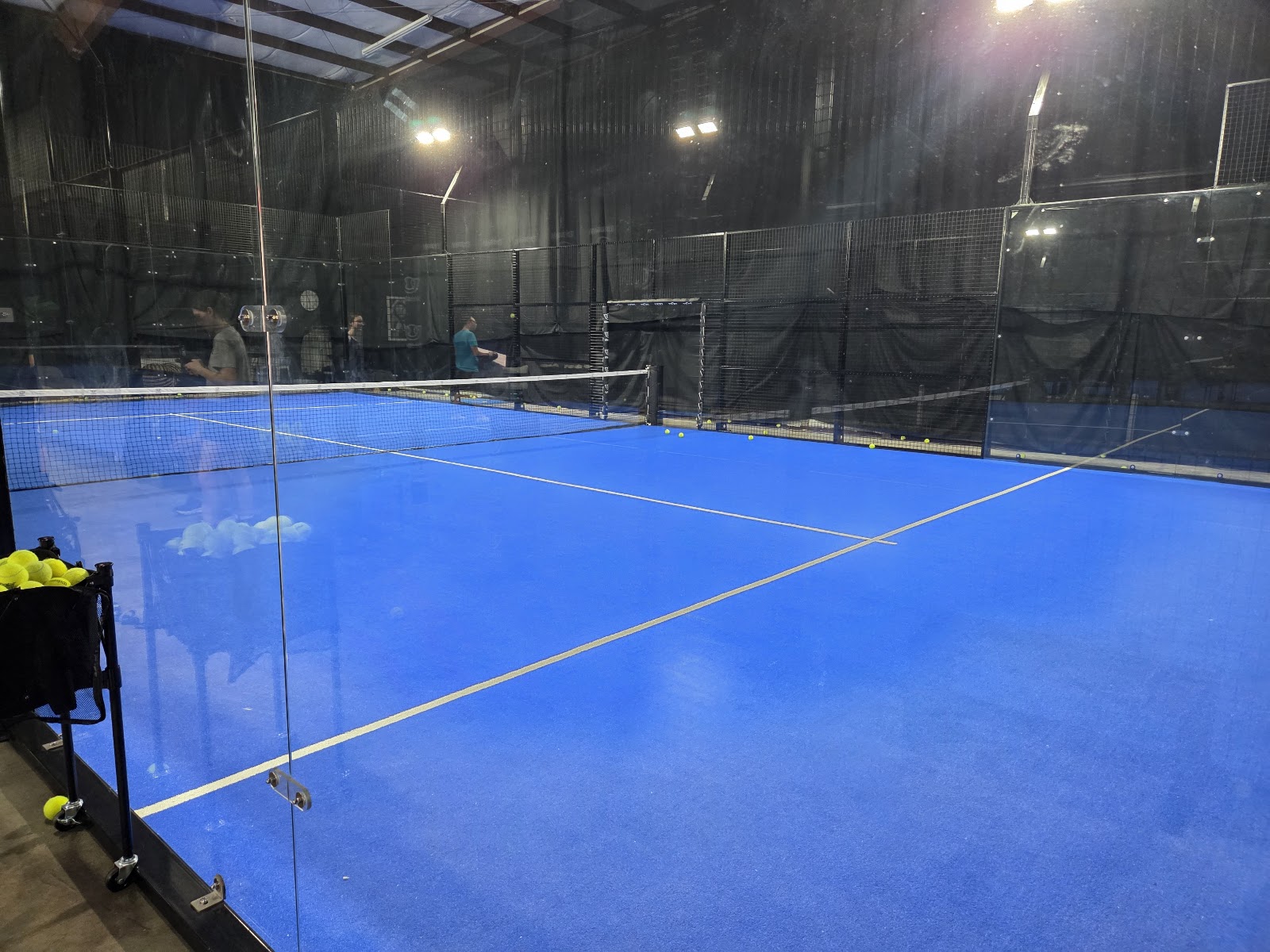
What to expect
Houston has more humidity than Dallas, which makes outdoor summer play harder. Most clubs are indoor or covered. The energy industry presence — both upstream and downstream — has driven a notable Latin American demographic that's lifting the level of play; many Houston clubs have a strong Mexican and Venezuelan player base.
Pricing: $40–70 per hour. Memberships less common than in Dallas; most players pay per booking.
The Houston tournament scene is smaller than DFW's but growing. Most serious tournament play happens at one or two flagship clubs that host monthly amateur events.
Austin
Austin is the most outdoor-friendly Texas market thanks to lower humidity and cooler nighttime temperatures. The scene is younger but has grown rapidly with the city's tech-driven population boom.
Notable clubs
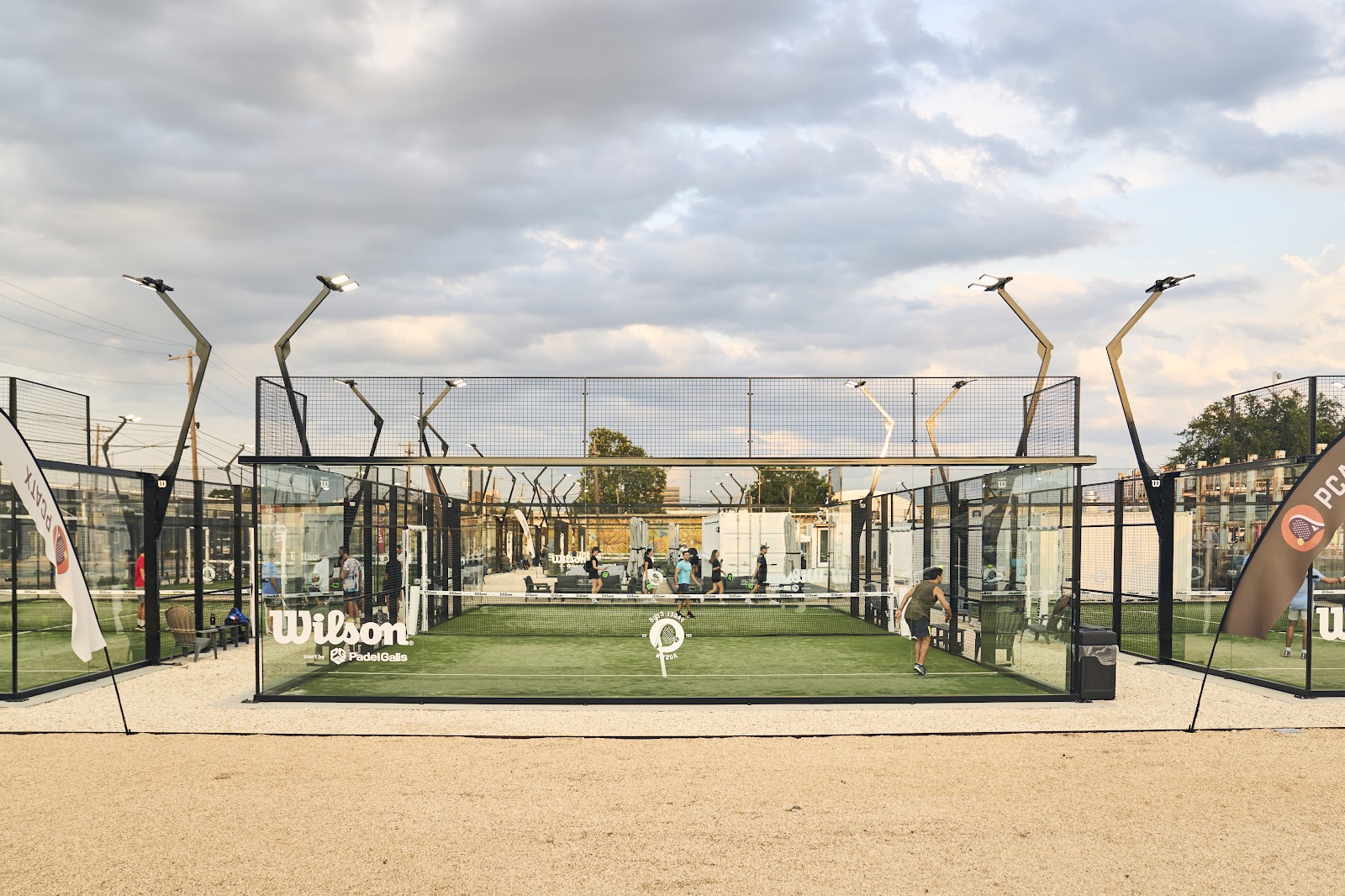
What to expect
The Austin scene is more casual than Dallas or Houston — fewer organized tournaments, more pickup play and social mixers. Drop-in play is easier to find; multi-day tournaments are rarer.
Pricing: $35–65 per hour, the most affordable of the major Texas metros. Lessons run $80–110.
The local culture leans toward newer players — many people are picking up padel as their first racquet sport. The level of play across most clubs is intermediate; high-amateur play exists but is concentrated at one or two facilities.
San Antonio
San Antonio has a smaller but growing scene. One major facility serves the metro area, and a few country clubs have added courts as amenities.
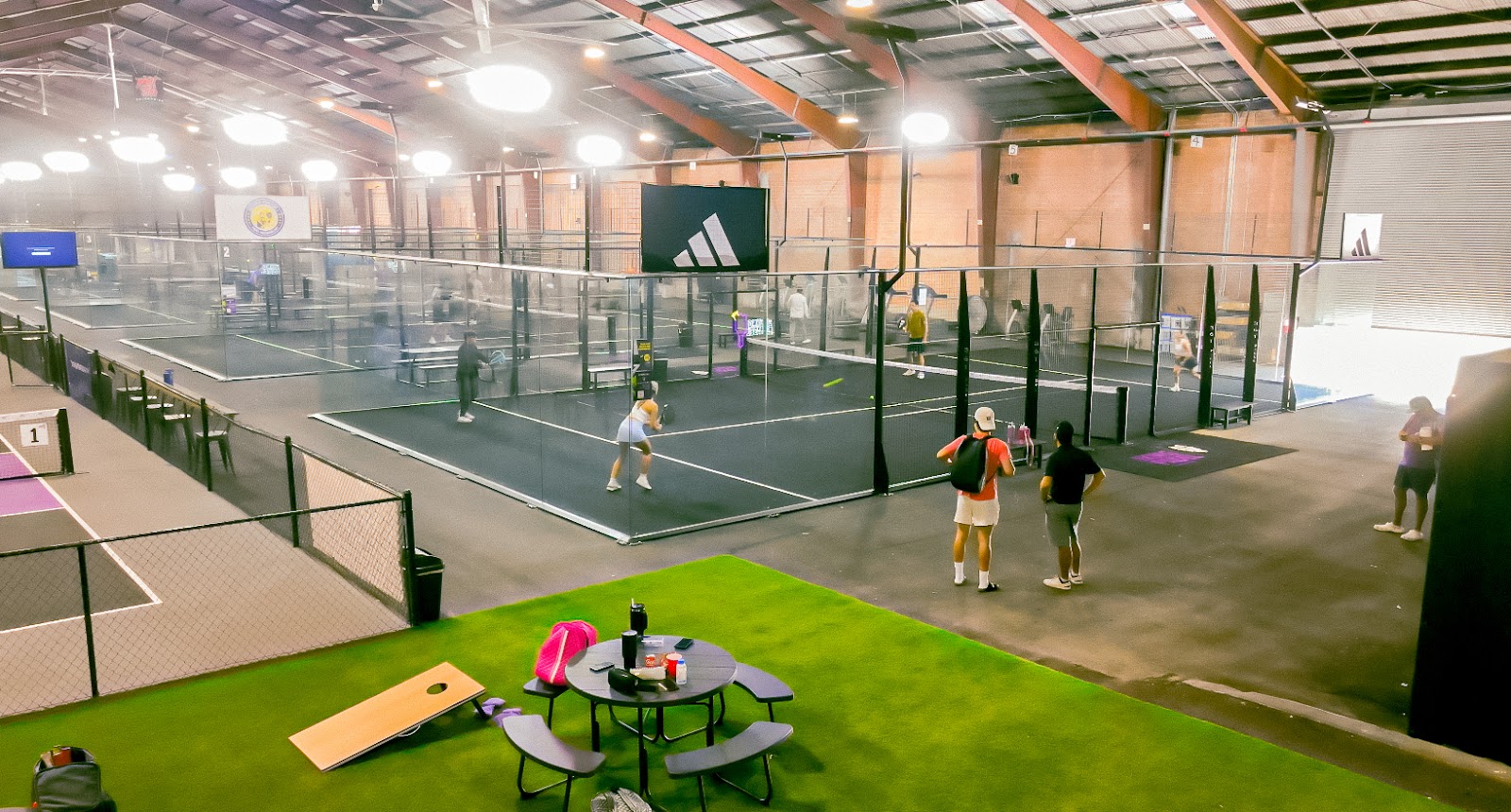
The scene is mostly recreational. Serious tournament players in the SA area often drive to Austin for higher-level competition, or to South Texas if border crossings are convenient.
Pricing: $30–55 per hour, the most affordable in Texas.
What's different about Texas padel
Versus Florida:
- Larger driving distances within metros (DFW is geographically huge; Houston similar)
- More indoor play due to summer heat (different from Florida's humidity issue, but similar effect)
- Growing but smaller tournament scene
- Comparable price points to Orlando, slightly below Miami
- Lower density of courts per capita
Versus California:
- Higher density of courts in the major metros
- More structured league play
- Comparable prices
- Better year-round playability with the caveat of summer heat
- Stronger tennis-to-padel pipeline (Texas tennis culture is deep)
Climate by season
- March–May: ideal across most of Texas. Outdoor reliably good.
- June–August: brutal heat. Houston worse than Dallas (humidity); Austin best (lower humidity, cooler nights). Indoor or early-morning play only.
- September–November: outdoor returns. Best months of the year in Austin and Houston.
- December–February: mild but variable. Cold fronts can drop temperatures rapidly. Most outdoor play continues with light layering.
The level of play
Texas amateur padel sits roughly mid-pack nationally. Stronger than newer markets (NYC, Boston, Seattle) but below the deep amateur ranks of Miami and the immigrant-driven scenes of Houston.
The trajectory is steeply upward. Player count in Texas grew approximately 4x from 2024 to 2026, faster than any other state. Court growth is keeping up but barely; many DFW facilities have prime-time bookings sold out 3–4 weeks ahead.
Tournaments and leagues
The DFW Padel League is the largest organized league in Texas, running quarterly seasons across multiple facilities. Houston has a similar but smaller league structure. Austin's organized league play is less developed but growing.
Notable annual events:
- DFW Padel Open (amateur, multiple divisions)
- Texas Padel Cup (amateur, hosted in different cities each year)
- Pro tour stops have come to Texas occasionally — the WPT held a Houston event in 2024, and Premier Padel has tested the market with exhibitions
What's coming
Texas court growth is accelerating in:
- North Dallas suburbs (McKinney, Allen)
- The Woodlands (north of Houston)
- South Austin and the I-35 corridor toward San Antonio
- El Paso (the first dedicated facility opened in 2025; more expected)
Several major US-wide chains have publicly announced multi-court Texas expansions through 2027.
Practical advice for visitors
- Bring indoor padel shoes — most serious courts are indoor due to climate
- Book a week ahead in DFW; 3–5 days in Houston and Austin
- For best level of play, target the Inner Loop Houston clubs and the central Dallas facilities
- For social play, Austin's casual scene is the most welcoming
- Don't try outdoor play in July or August unless you're starting before 9 AM
Frequently asked questions
Where is the best padel in Texas?
Dallas has the largest scene with the most organized league play and the most courts. Houston has the deepest amateur talent pool, particularly at the inner-loop clubs. Austin is the easiest place to drop in casually. San Antonio is growing but smaller.
How much does padel cost in Texas?
Dallas: $40–75/hour. Houston: $40–70. Austin: $35–65. San Antonio: $30–55. Memberships at larger clubs run $130–225/month and pay back at 2+ sessions a week.
Is padel popular in Texas?
Yes — Texas is the third-largest US padel market and the fastest-growing outside Florida. Growth is concentrated in DFW, Houston, and Austin, with court count roughly quadrupling between 2024 and 2026. Player demand currently outpaces court availability in most major markets.
Related reading
Padel in Florida: A Complete State Guide
Florida is the densest padel market in America. Here's where to play in Miami, Orlando, Tampa, and the rest of the state — plus what to expect at each scene.
Padel in California: A Complete State Guide
California's padel scene is younger than Florida's but growing fast. Here's where to play in San Diego, LA, the Bay Area, and beyond — plus what makes the California scene different.